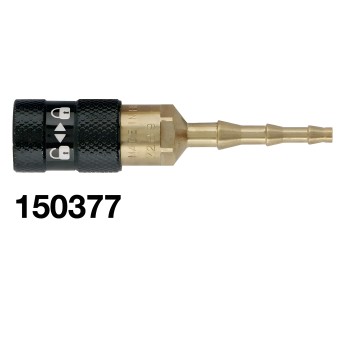
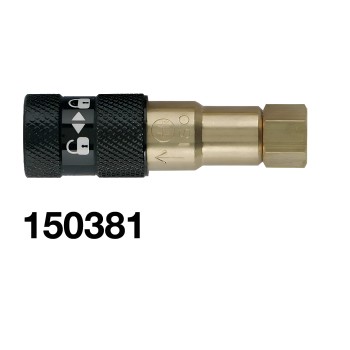
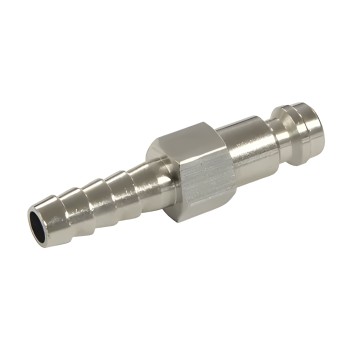
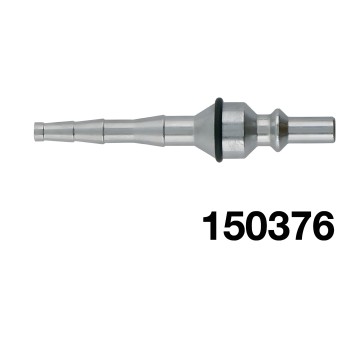
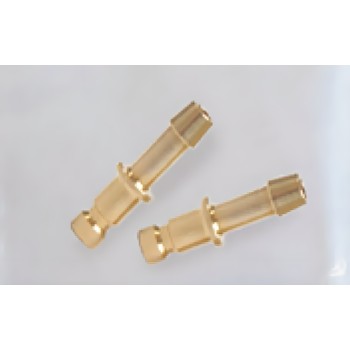
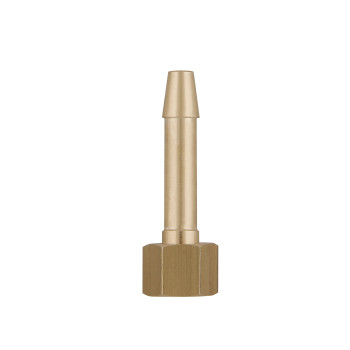
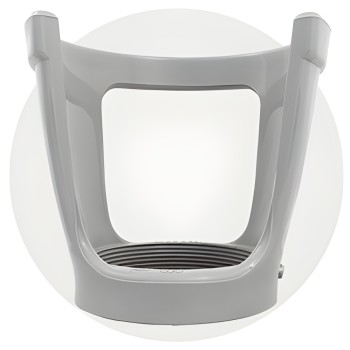
Hoses and fittings for gas cylinders provide the connection between the cylinder, the regulator, and the welding machine. A reliable quick-connect gas fitting and a suitable hose ensure a safe, leak-free supply. Discover our selection of fittings and hoses for argon and other welding gases.
The role of fittings and hoses
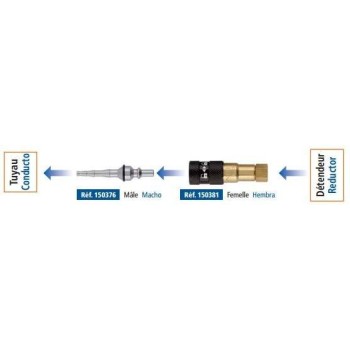
Between the gas cylinder and the welding machine, gas flows through a regulator, fittings, and a hose. Each element must be airtight and compatible to guarantee a steady and safe flow. A quick-connect argon gas fitting makes connection and disconnection easy, while a quality argon hose resists pressure and aging. The reliability of this connection determines the quality of the gas shielding.
The quick-connect fitting: a gain in convenience
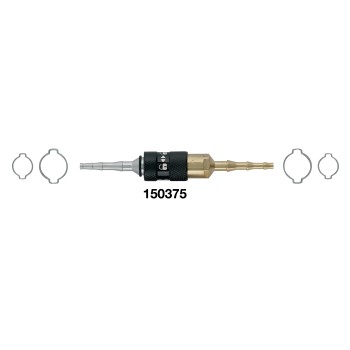
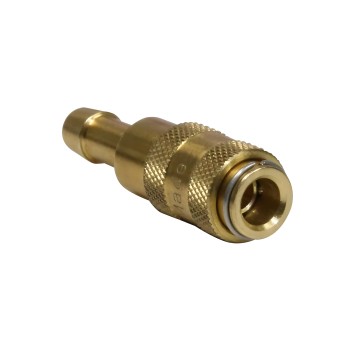
The argon quick-connect fitting allows you to connect and disconnect the gas circuit in a single gesture, without tools. Very practical in a workshop, it makes changing cylinders or welding machines easier and reduces handling. There are different standards, including the type C argon cylinder fitting, which must be chosen according to your equipment to ensure compatibility and a proper seal.
Choosing the right fitting
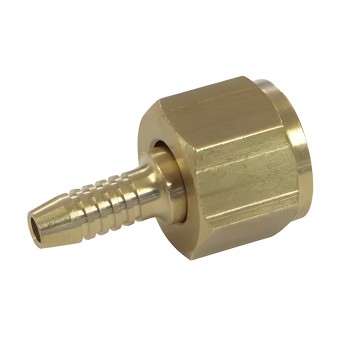
The choice of an argon cylinder fitting depends on the type of cylinder, regulator, and welding machine. You need to check the thread standard and diameter, as well as compatibility with the gas being used. An unsuitable or forced fitting creates leaks and hazards. If in doubt, identify your equipment precisely before ordering to ensure a safe installation.
The gas hose
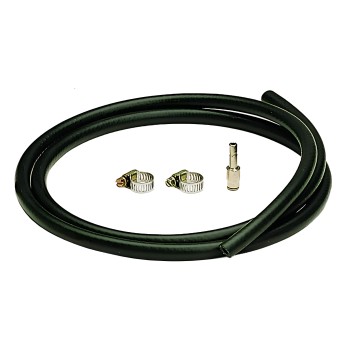
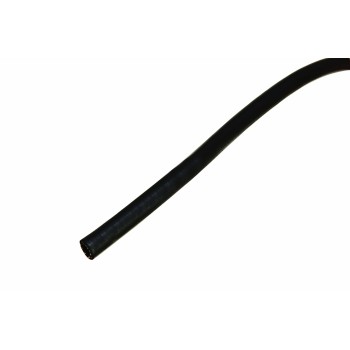
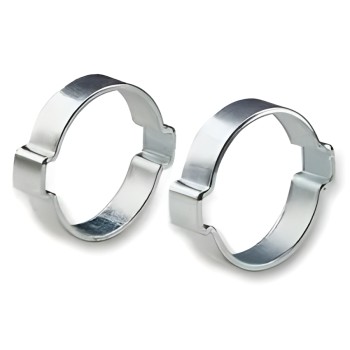
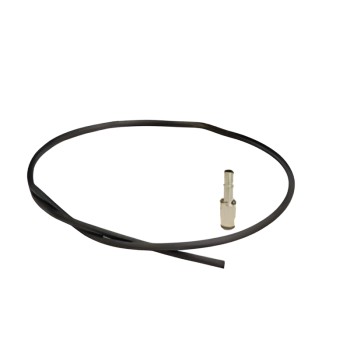
The argon hose connects the regulator to the welding machine. It must be rated for the operating pressure and resistant over time. A cracked or porous hose allows gas to escape, which degrades the weld pool protection and wastes gas. Regularly inspect its condition and the tightness of the clamps at each end.
Sealing and safety
A gas circuit must be perfectly sealed. After assembly, check the fittings for leaks using soapy water (never a flame): the appearance of bubbles indicates a leak. Compressed gas requires compliance with safety guidelines: cylinder secured to a cart, valve closed after use, and fittings in good condition. Safety takes precedence over any convenience consideration.
Completing your gas installation
A complete circuit combines the right argon flow meter regulator, suitable fittings, and a quality hose. These elements form a coherent assembly: it is their overall compatibility that guarantees a reliable supply. For TIG welding as well as MIG-MAG, a carefully assembled gas connection is the foundation of effective shielding.
Fitting standards
There are several fitting standards depending on the gas and country, which can cause confusion. The type C argon cylinder fitting is one of the most common for argon in France. Before any purchase, precisely identify the thread of your cylinder and regulator: a fitting with the wrong standard will not install correctly and will compromise the seal. If in doubt, note the references of your existing equipment to order compatible components.
Hose lifespan
The argon hose ages with time and exposure: it hardens, can crack, and become porous. An old hose allows gas to escape, which degrades the weld pool protection and increases consumption. Inspect it regularly, especially at the ends and bends, and replace it at the first signs of wear. Combined with a good flow meter regulator, a hose in good condition guarantees a reliable and economical gas supply.
Everyday convenience
In everyday use, a good quick-connect gas fitting system genuinely simplifies work. Changing a cylinder, moving a machine, or disconnecting the circuit at the end of the day takes a single gesture, with no tools. This convenience, combined with airtight and reliable fittings, saves time and limits risky handling. For a workshop that regularly changes configuration, this is a comfort that fully justifies choosing quality quick-connect fittings.
Our advice
For a reliable gas supply, choose fittings and hoses for gas cylinders compatible with your equipment, checking the standards (including type C for argon). Opt for quick connectors for convenience, regularly check for leaks and inspect the hose condition. Browse our selection of fittings and hoses for argon.
Frequently asked questions
What is a quick-connect fitting for argon gas used for?
It allows you to connect and disconnect the gas circuit in a single gesture, without tools, between the cylinder, the regulator, and the welding machine. Very practical in a workshop, it makes changing cylinders or welding machines easier while ensuring a sealed connection.
What is a type C argon cylinder fitting?
It is one of the fitting standards used for argon cylinders. You must choose the fitting according to the standard of your equipment (thread, diameter) to ensure compatibility and a proper seal. Identify your equipment precisely before ordering.
How to check the seal of a gas fitting?
With soapy water, never with a flame: apply it to the fittings after assembly; the appearance of bubbles indicates a leak. Also check the tightness of the clamps and the condition of the hose. A sealed connection ensures effective gas shielding and prevents waste.
How to choose the hose and fitting for your cylinder?
Depending on the type of cylinder, regulator, and welding machine: check the thread standard, diameter, and compatibility with the gas being used. The hose must be rated for the operating pressure and durable over time. An unsuitable fitting causes leaks.
Which hose for argon?
For argon, use a hose compatible with welding gas, in good condition, and connected with the correct end fittings. Check for leaks and observe the recommended pressure.


 Italy
Italy
 Germany
 Netherlands
 Croatia
 Denmark
 Finland
 Greece
 Ireland
 Portugal
 Norway
 Bulgaria
 Estonia
 Latvia
 Lithuania
 Poland
 Czech Republic
 Romania
 Slovakia
 Slovenia
 Hungary
 Spain
Spain



 2-year warranty