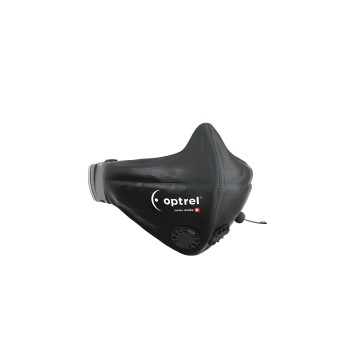
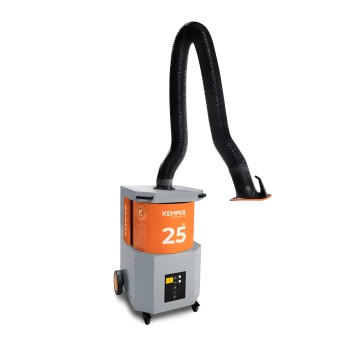
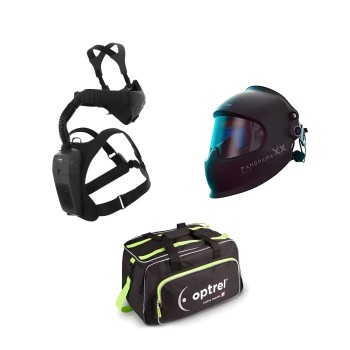
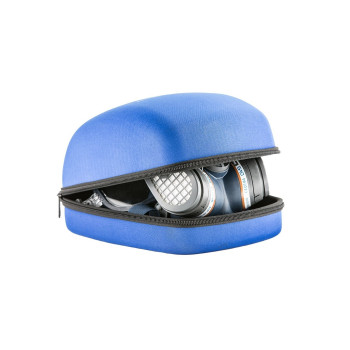
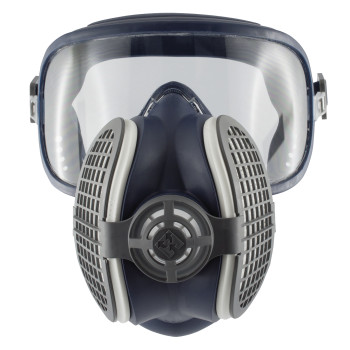
Respiratory protection is essential for preserving the welder's health against welding fumes. From the filtering mask to powered air-purifying systems, these devices limit the inhalation of harmful particles. Discover our selection of respiratory masks for welding suited to every situation.
Why protect yourself from fumes?
Welding fumes contain fine particles and compounds that are dangerous to inhale, especially during prolonged use or in confined spaces. A welding respiratory protection device filters the air before it reaches the airways. Combined with good ventilation and a fume extractor, it provides an effective defense against fume-related risks.
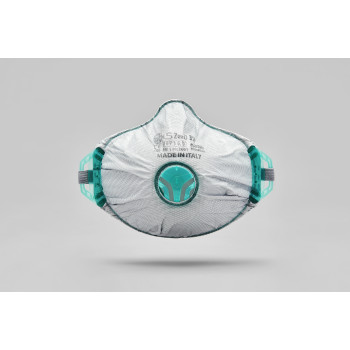
Filtering masks
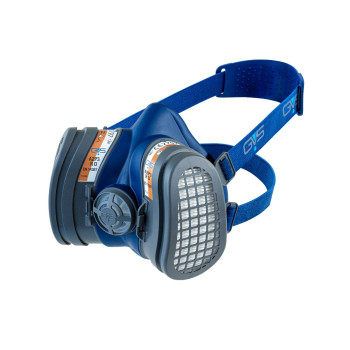
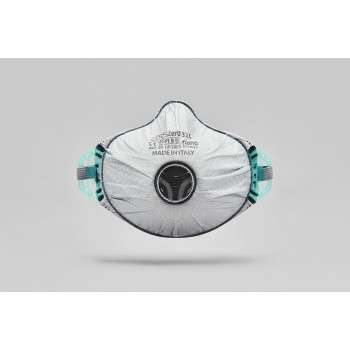
The filtering mask is the simplest solution: it covers the nose and mouth and retains particles through a filter medium. Disposable or with replaceable cartridges, this anti-fume mask is chosen based on its filtration class, which determines its effectiveness. It is a basic, economical protection, suited to occasional tasks in well-ventilated conditions.
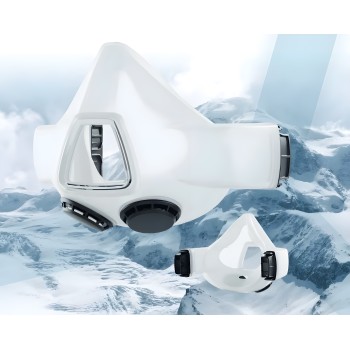
Half-masks with cartridges
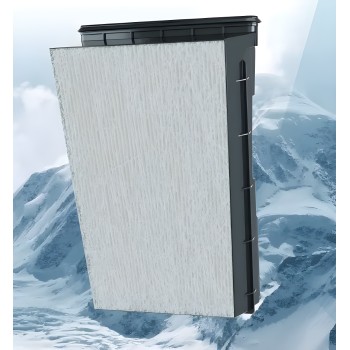
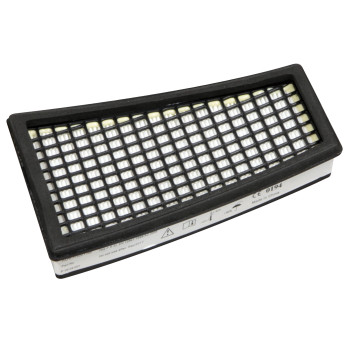
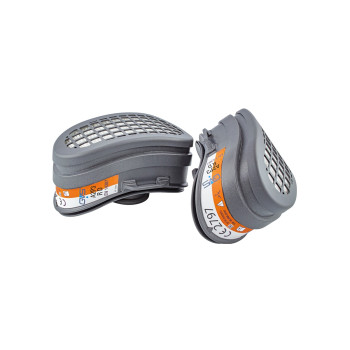
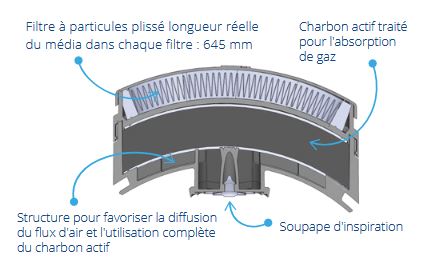
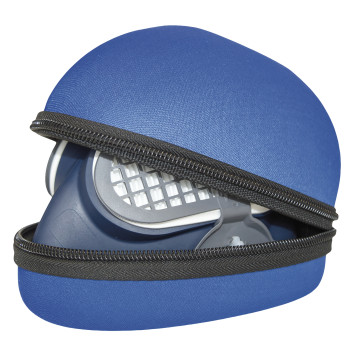
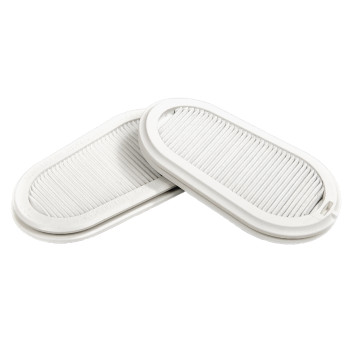
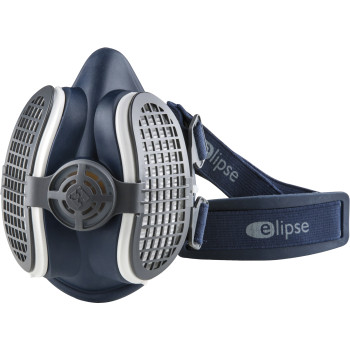
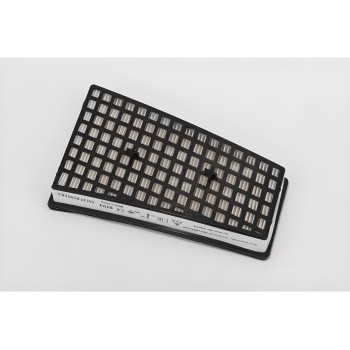
For more durable protection, the half-mask with cartridges offers better sealing and replaceable filters suited to particles and, depending on the cartridges, to certain gases. This reusable welding respiratory mask is suitable for regular use. The choice of cartridges depends on the pollutants present: the class appropriate to the type of welding must be selected.
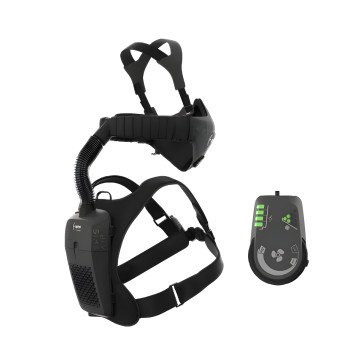
Powered air-purifying systems
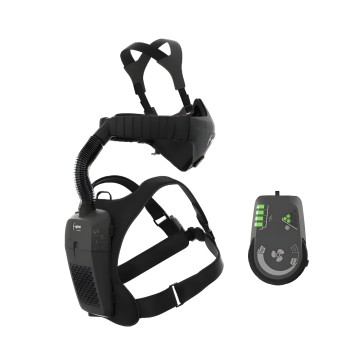
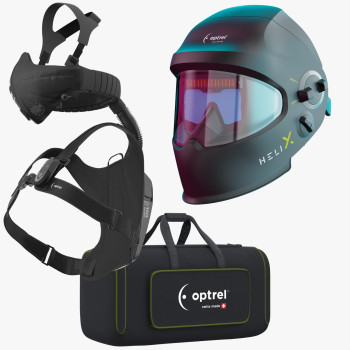
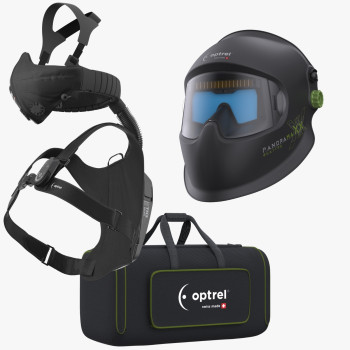
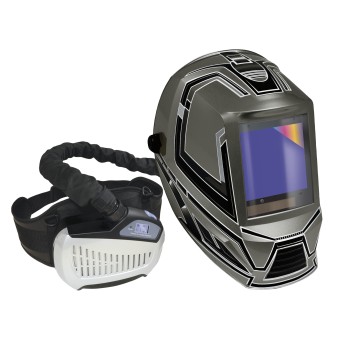
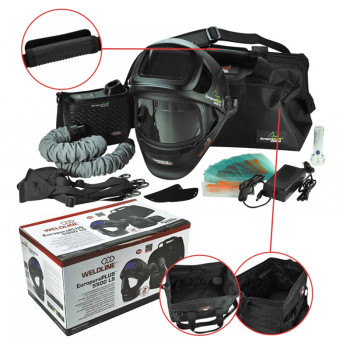
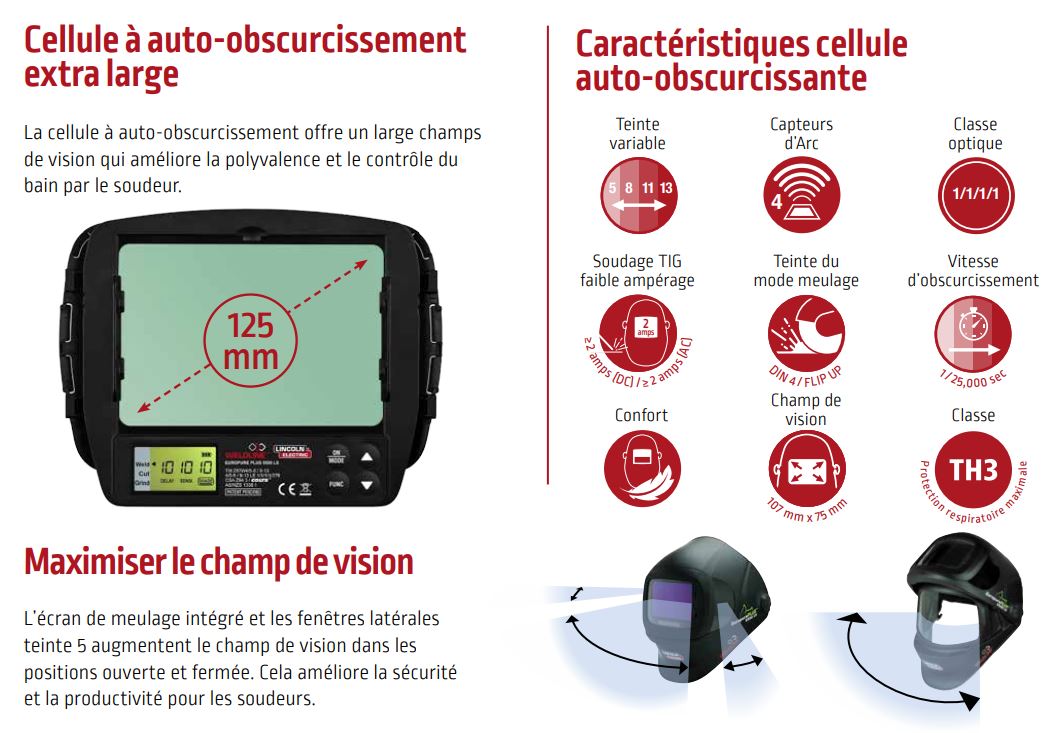
The most complete solution combines respiratory protection with face protection. The powered welding hood incorporates a turbine that delivers filtered air in front of the face, creating a slight overpressure that repels fumes. This powered air-purifying welding respiratory mask offers high comfort and protection, ideal for intensive or confined use.
Choosing the right protection
The choice of respiratory protection depends on your level of exposure. For occasional work in a well-ventilated workshop, a filtering mask is sufficient. For regular use, a half-mask with cartridges is preferable. For intensive use or in enclosed spaces, a powered welding hood is required. Always check the filtration class and compatibility with your other equipment.
A comprehensive approach
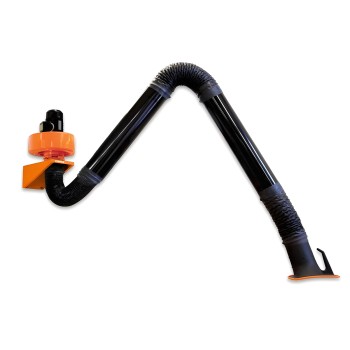
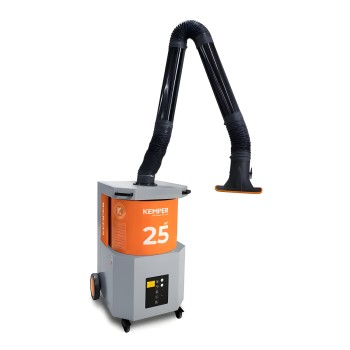
No welding respiratory protection alone can replace proper fume control. The hierarchy is clear: capture at the source with an extractor, ventilate the workshop, then protect individually. This combined approach, rather than a single piece of equipment, ensures the best long-term health protection for the welder.
Filtration classes
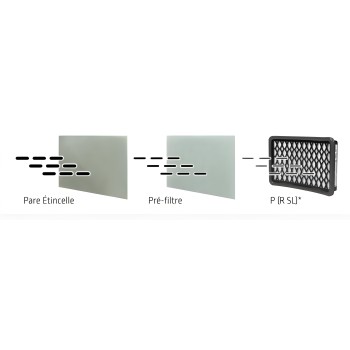
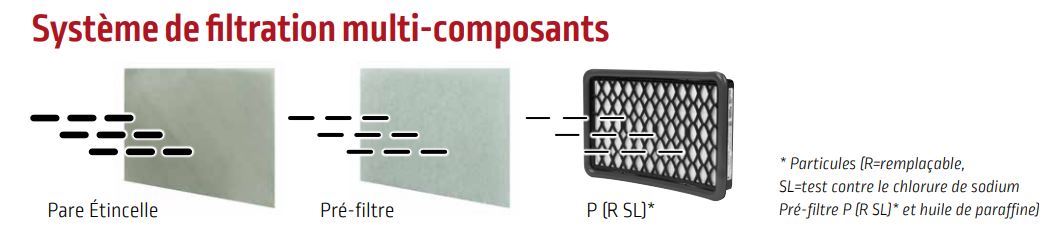
Choosing respiratory protection involves the filtration class, which indicates the level of efficiency against particles. The higher the class, the finer the particles the mask retains. For welding, which generates very fine particles, a class suited to the type of work and material is required. Always check the class of the filtering mask or cartridges, and choose it based on the pollutants present and the duration of exposure.
Fit and comfort
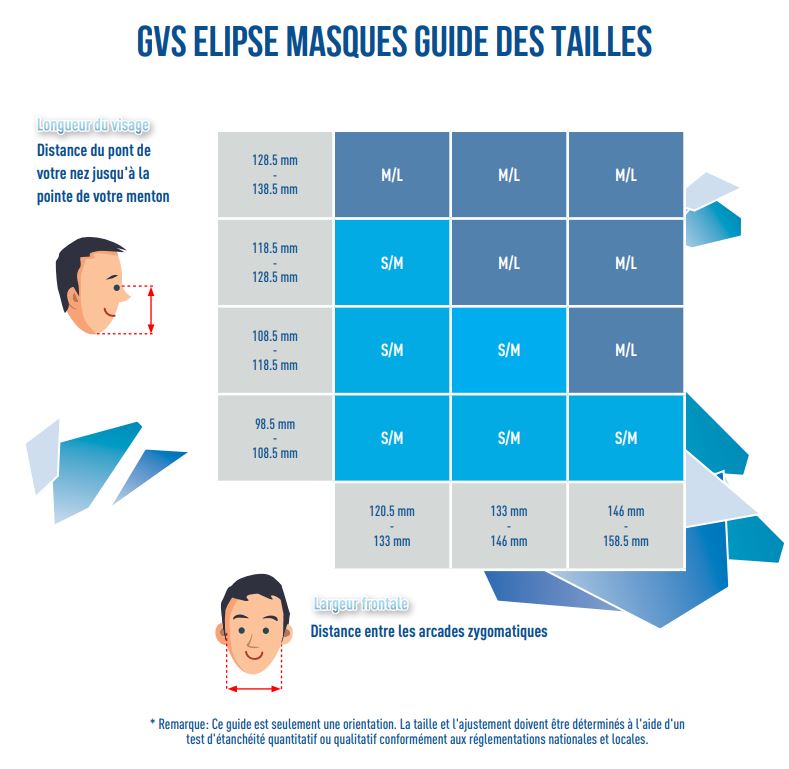
The effectiveness of a welding respiratory mask depends on its fit: a poorly positioned mask allows unfiltered air to pass through facial leaks. A good fit, proper sealing, and sufficient comfort for continuous wear are essential. For long sessions, powered air-purifying systems such as the powered welding hood provide real comfort by reducing breathing resistance and heat. The best mask is the one that is actually worn, correctly, for the entire duration of the work.
Combining protections
The best strategy against fumes combines several levels. First, capture at the source with a fume extractor, ventilate the workshop, then protect individually with appropriate respiratory protection. No single element provides total safety, but their combination significantly reduces exposure. This layered approach is the reference standard for preventing risks related to welding fumes, combined with good workstation organization and training in best practices.
Our recommendation
Choose your respiratory protection based on your level of fume exposure: a filtering mask for occasional use in well-ventilated areas, a half-mask with cartridges for regular use, and a powered welding hood for intensive or confined use. Always combine personal protection with extraction and ventilation. Browse our selection of respiratory masks for safe welding.
Frequently asked questions
Why wear respiratory protection when welding?
Because welding fumes contain fine particles and compounds that are dangerous to inhale, especially during prolonged use or in confined spaces. Respiratory protection filters the air before it reaches the airways, preserving the welder's health.
What is the difference between a filtering mask and a half-mask with cartridges?
The filtering mask, disposable or simple, covers the nose and mouth: economical, for occasional tasks in well-ventilated conditions. The half-mask with cartridges offers better sealing and replaceable adapted filters, suitable for regular use.
What is a powered air-purifying respiratory mask?
It is a powered welding hood that incorporates a turbine delivering filtered air in front of the face, with a slight overpressure that repels fumes. It combines respiratory protection and face protection: the most complete solution, ideal for intensive or confined use.
What respiratory protection should you choose based on your usage?
A filtering mask for occasional work in a well-ventilated workshop, a half-mask with cartridges for regular use, and a powered welding hood for intensive use or in enclosed spaces. Always combine personal protection with extraction and ventilation.
What respiratory protection for welding?
Respiratory protection depends on the fumes produced. Use source extraction and, if necessary, a filtering mask or a powered welding hood with an appropriate filter.


 Italy
Italy
 Germany
 Netherlands
 Croatia
 Denmark
 Finland
 Greece
 Ireland
 Portugal
 Norway
 Bulgaria
 Estonia
 Latvia
 Lithuania
 Poland
 Czech Republic
 Romania
 Slovakia
 Slovenia
 Hungary
 Spain
Spain



 2-year warranty