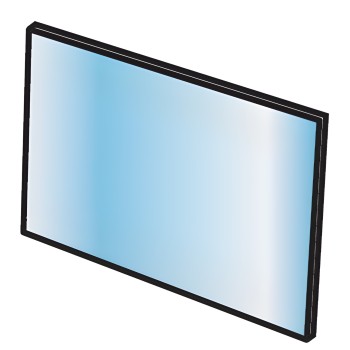
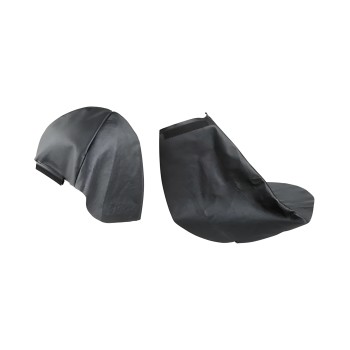
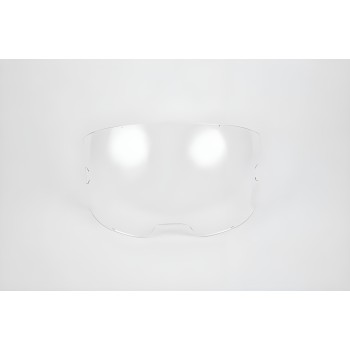
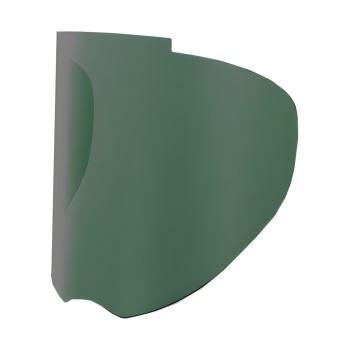
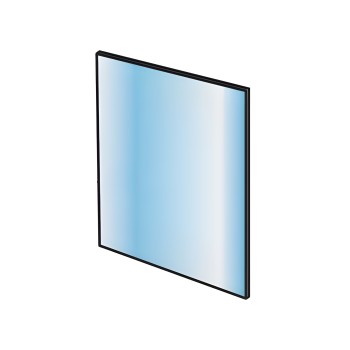
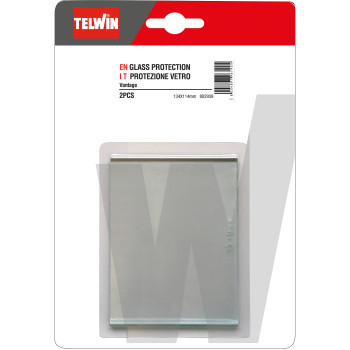
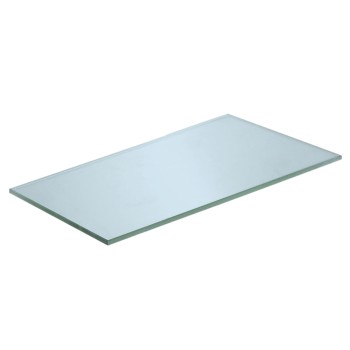
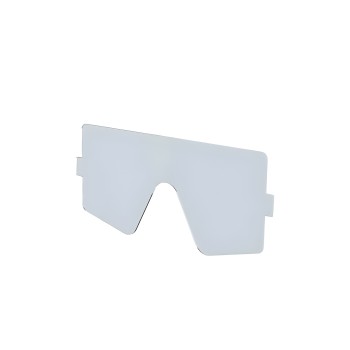
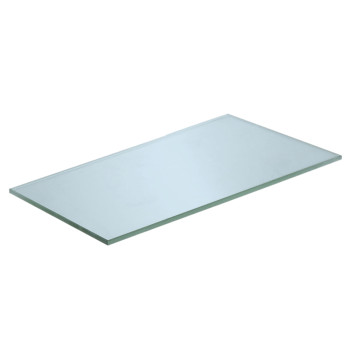
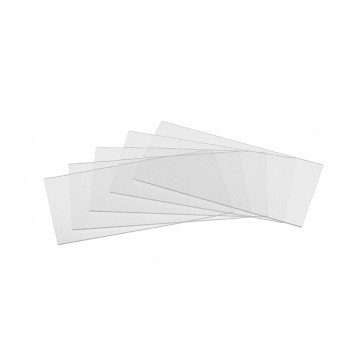
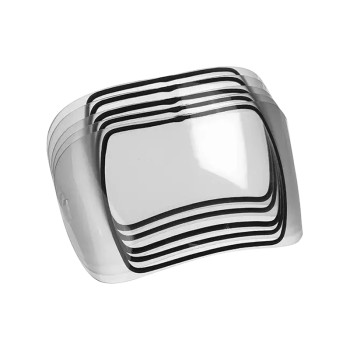
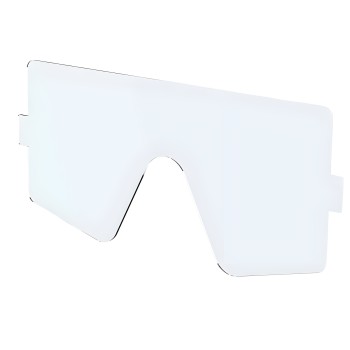
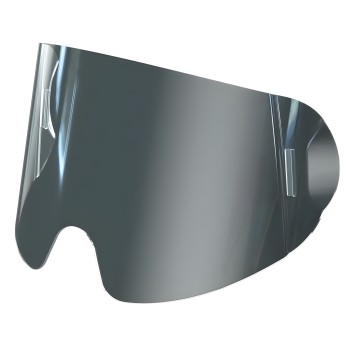
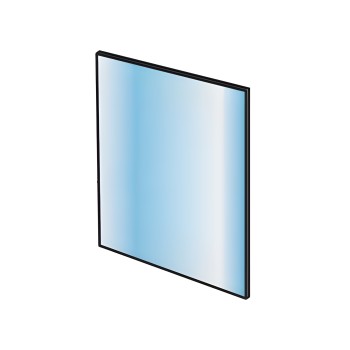
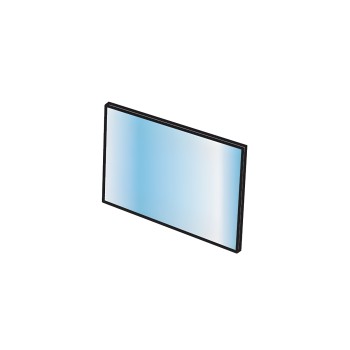
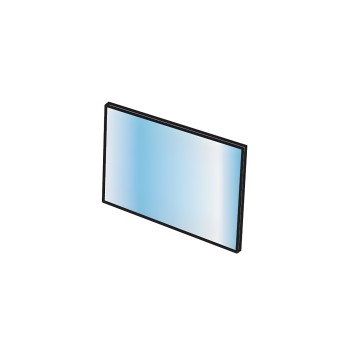
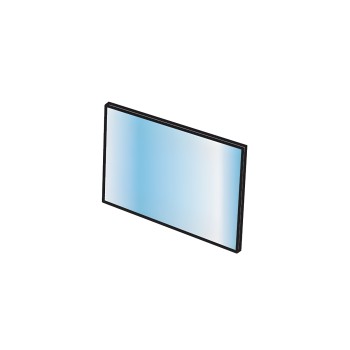
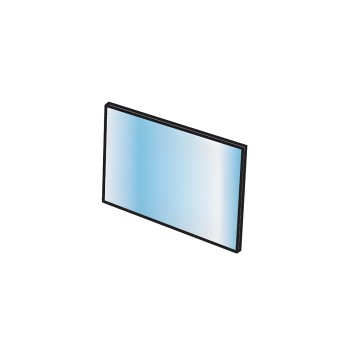
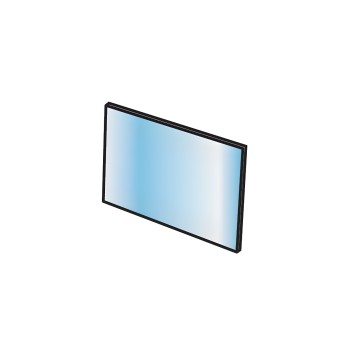
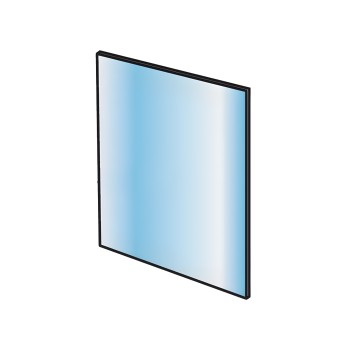
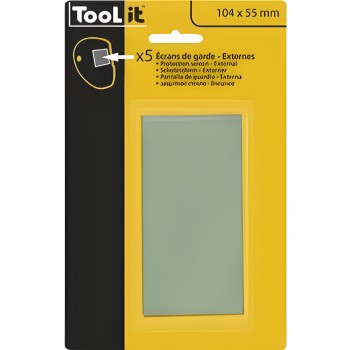
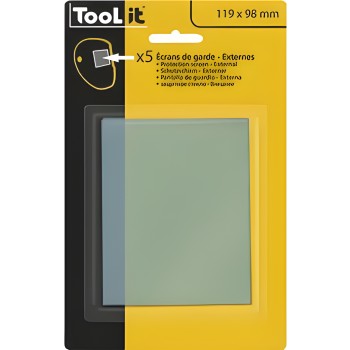
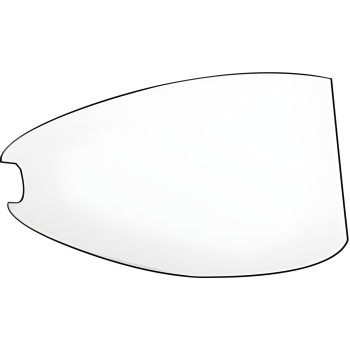
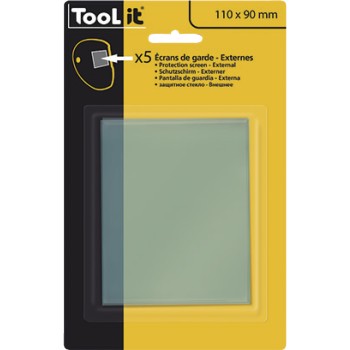
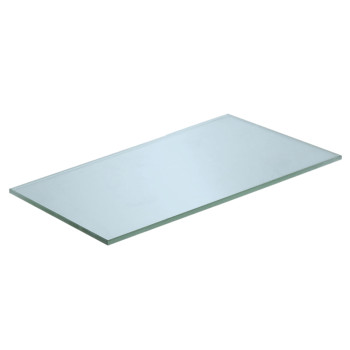
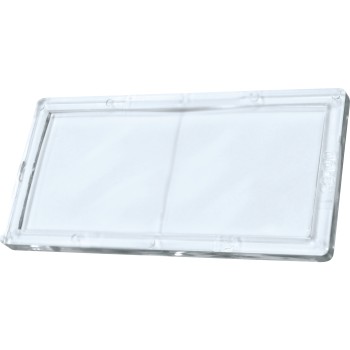
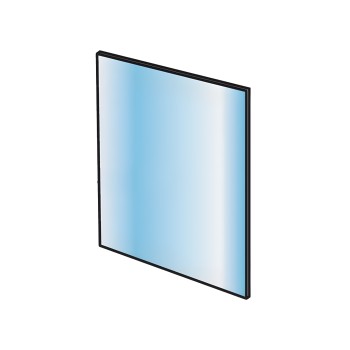
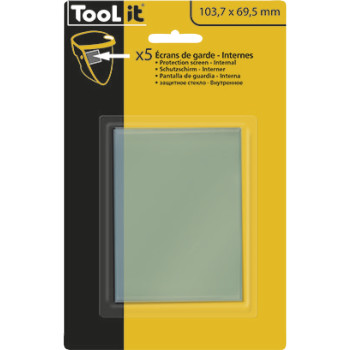
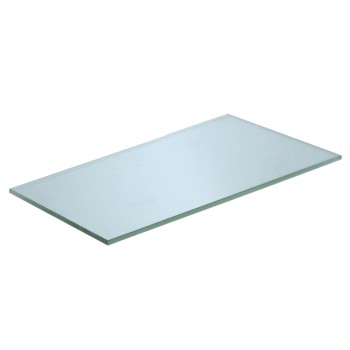
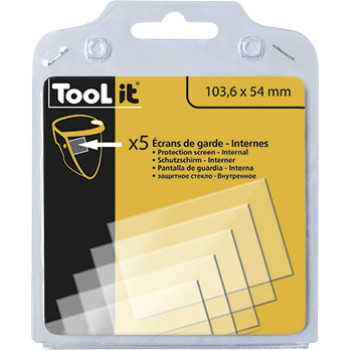
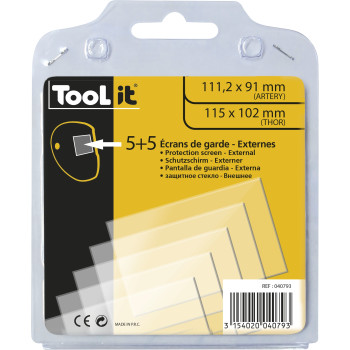
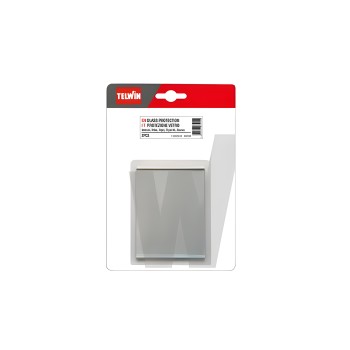
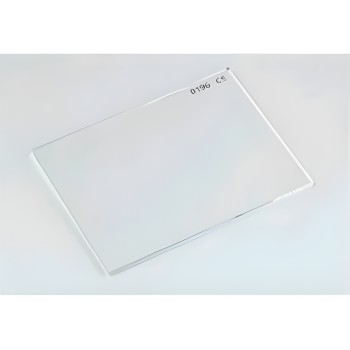
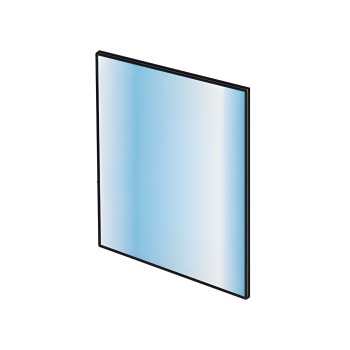
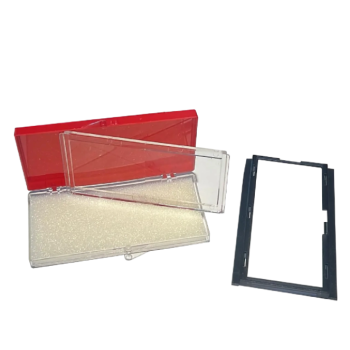
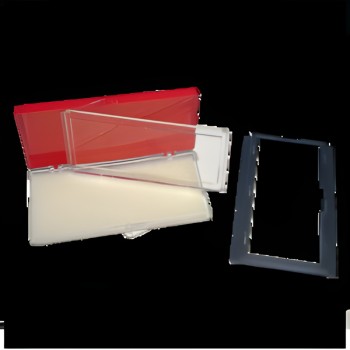
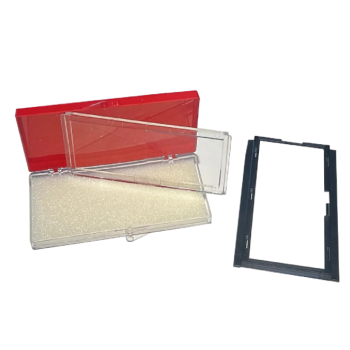
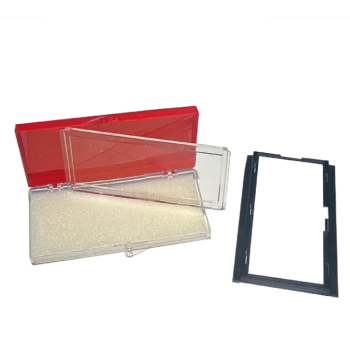
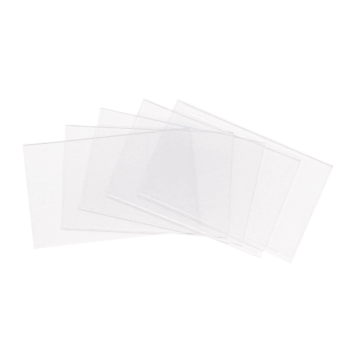
The protective lens for welding helmet is an essential consumable that protects the LCD filter from spatter and scratches. Replaced regularly, the welding mask lens preserves clarity of vision and the helmet's service life. Discover our selection of lenses for automatic and passive helmets.
The role of the protective lens
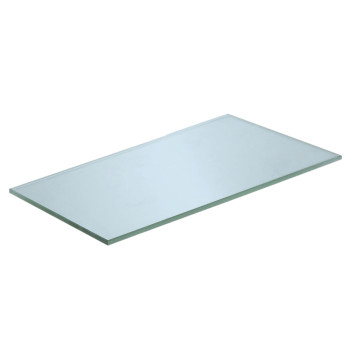
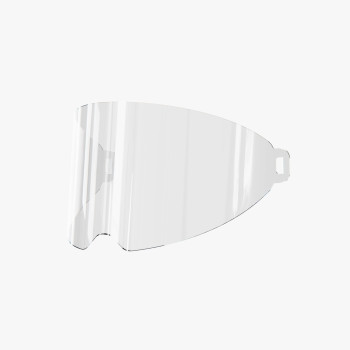
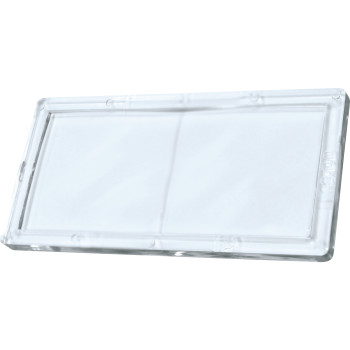
The welding helmet lens is placed in front of (and sometimes behind) the LCD filter of the automatic helmet. It absorbs molten metal spatter and impacts that would otherwise damage the filter. It is a sacrificial part: by degrading in place of the filter, it extends the life of the helmet and maintains clear vision.
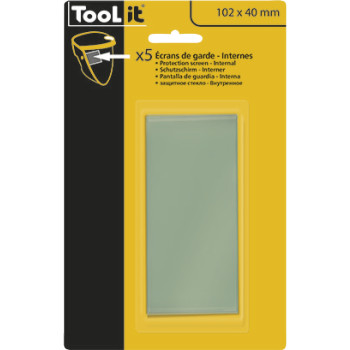
Outer lens and inner lens
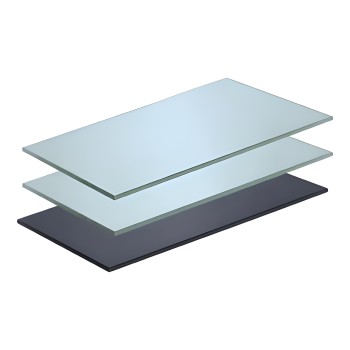
Most helmets use an outer welding lens and an inner lens. The outer lens, exposed to spatter, wears out fastest: pitting, chips and splashes reduce transparency. The inner lens protects the filter on the face side. Replacing these lenses at the right time preserves vision quality and welder safety.
When should the lens be replaced?
A welding mask lens should be replaced as soon as it is pitted, scratched or spattered to the point of impairing vision. Continuing with a degraded lens strains the eyes, reduces precision and can mask defects in the weld pool. Replacement is quick and economical: it is one of the simplest and most cost-effective maintenance actions for your welding helmet.
Compatibility and dimensions
Lenses are not universal: each welding helmet model has its own dimensions and format. Before ordering, identify the brand and reference of your helmet to choose a perfectly compatible automatic welding mask lens. A poorly sized lens does not provide adequate protection and may come loose during welding.
Special lenses
Some welding lenses offer additional treatments: anti-fog, anti-glare or enhanced spatter resistance. These options improve comfort and lens service life, particularly useful in intensive use or demanding welding conditions.
The impact on welding quality
A clean and transparent welding helmet lens is not just about visual comfort: it determines the quality of the bead. With a pitted lens, the welder loses precision, struggles to position the arc correctly and risks missing defects in the weld pool. Replacing a lens costs a few euros; correcting a failed bead costs time and material. It is one of the most cost-effective investments in equipment maintenance.
Keep a stock
Since protective lenses are high-turnover consumable wear parts, always keep several in stock. Identify the exact reference of your helmet and order in bulk: it is more economical and you will never be caught off guard. A clean automatic welding mask lens is the first thing to check before every welding session. This simple reflex improves both safety and the quality of daily work.
Installing the lens correctly
Replacing the welding lens is quick, but must be done correctly. Remove the old lens, clean the housing and insert the new one without touching the inner side (fingerprints impair vision). Check that it is properly in place and does not move: a poorly secured lens can come loose during welding, exposing the LCD filter to spatter.
Lenses and passive helmets
Passive fixed-shade helmets also use an outer protective lens, subject to the same spatter as on an automatic one. Replacement is just as important to preserve clarity of vision. Whether it is an automatic helmet or a passive one, the reflex is the same: inspect the lens before each session and replace it as soon as it is pitted or scratched, without waiting for vision to deteriorate.
A good habit is to keep at least two outer lenses and one inner lens in reserve, ready to be installed in a few seconds between beads. This minimal stock ensures vision always remains clear.
Our advice
Keep a stock of protective lenses suited to your welding helmet and replace them as soon as they are pitted or scratched. It is a quick, economical and essential action to maintain clear vision, protect your LCD filter and weld safely. Browse our selection of lenses for welding helmets.
Frequently asked questions
What is the purpose of the protective lens on a welding helmet?
It is placed in front of the LCD filter and absorbs molten metal spatter and impacts, protecting the filter. It is a sacrificial part: by degrading in its place, it extends the life of the helmet and maintains clear vision.
When should the lens on your helmet be replaced?
As soon as it is pitted, scratched or spattered to the point of impairing vision. Continuing with a degraded lens strains the eyes and reduces precision. Replacement is quick and economical: it is one of the simplest maintenance actions.
Are welding helmet lenses universal?
No, each helmet model has its own dimensions and format. Before ordering, identify the brand and reference of your helmet to choose a compatible lens. A poorly sized lens does not provide adequate protection.
What is the difference between an outer lens and an inner lens?
The outer lens is exposed to spatter and wears out fastest. The inner lens protects the filter on the face side. Both must be replaced when degraded, to preserve clarity of vision and protection.


 Italy
Italy
 Germany
 Netherlands
 Croatia
 Denmark
 Finland
 Greece
 Ireland
 Portugal
 Norway
 Bulgaria
 Estonia
 Latvia
 Lithuania
 Poland
 Czech Republic
 Romania
 Slovakia
 Slovenia
 Hungary
 Spain
Spain



 2-year warranty