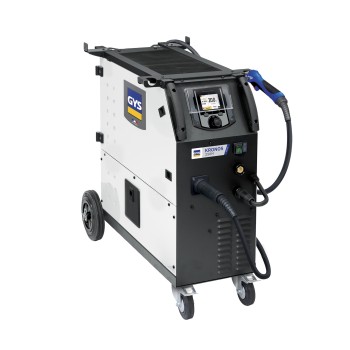
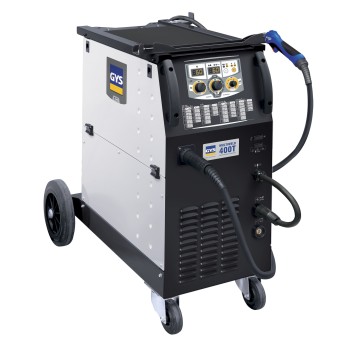
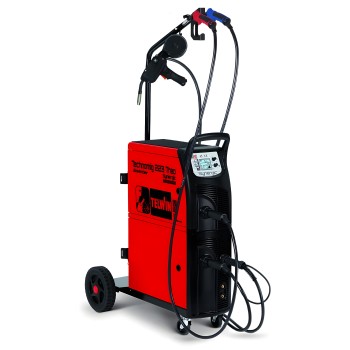
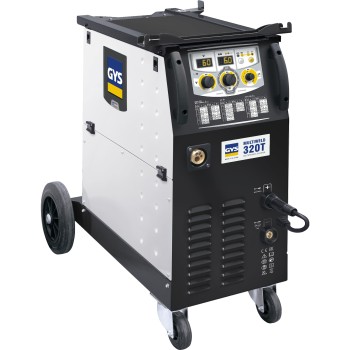
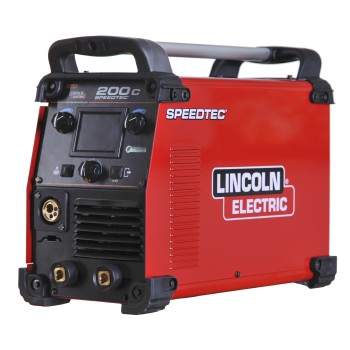
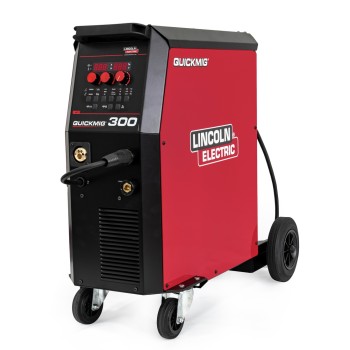
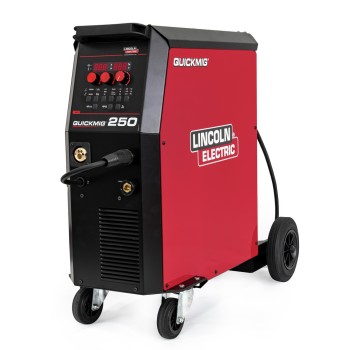
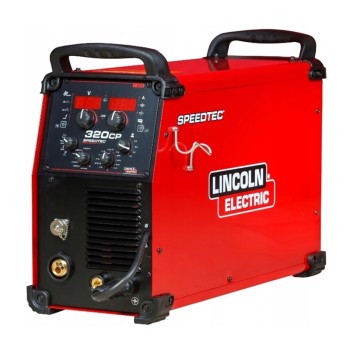
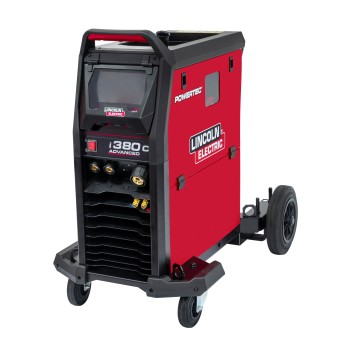
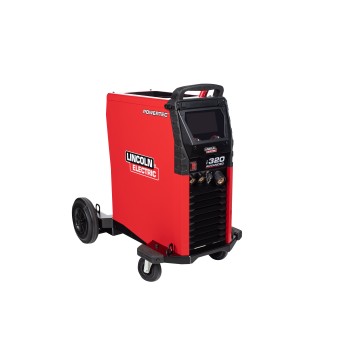
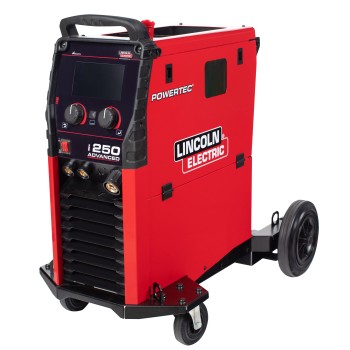
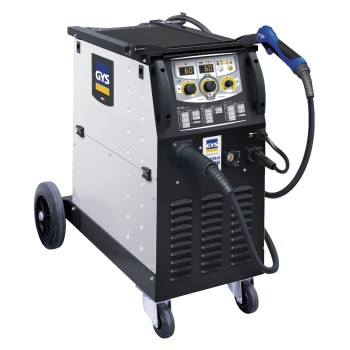
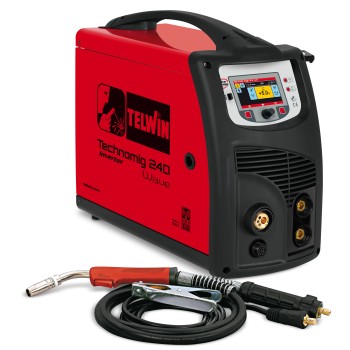
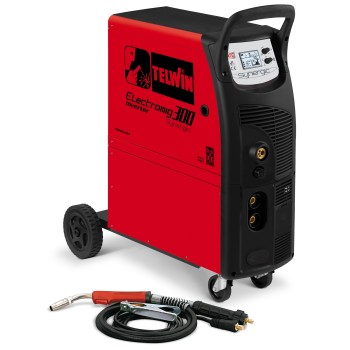
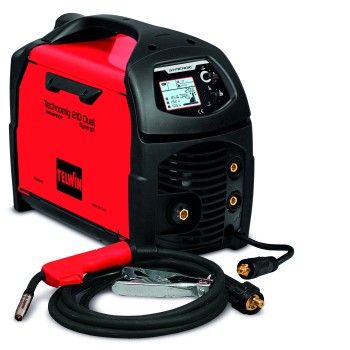
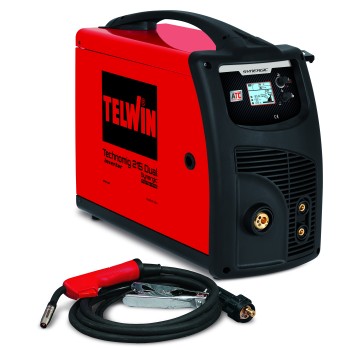
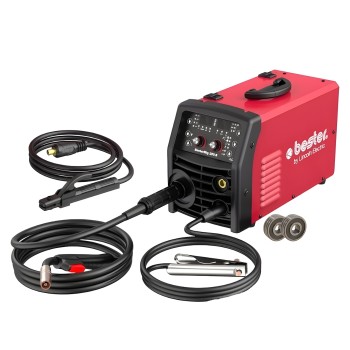
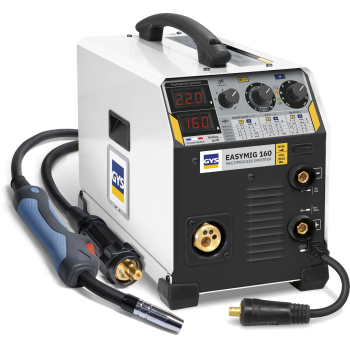
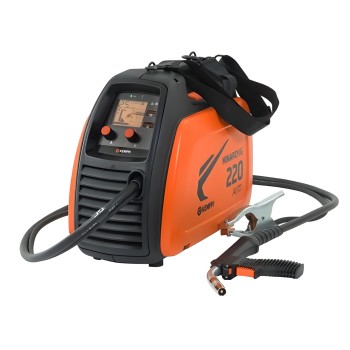
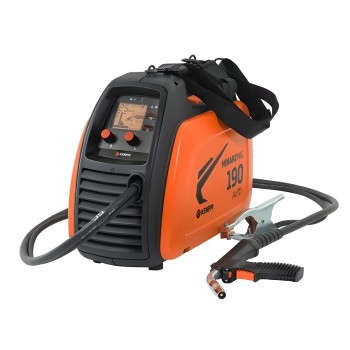
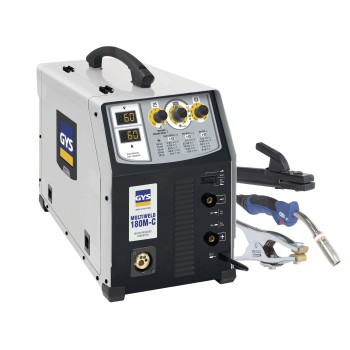
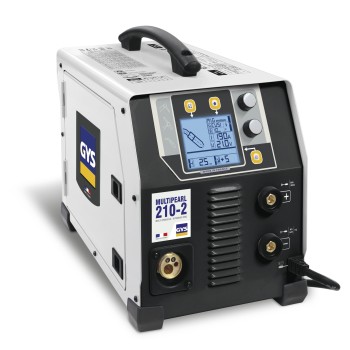
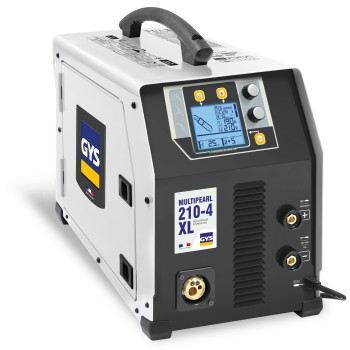
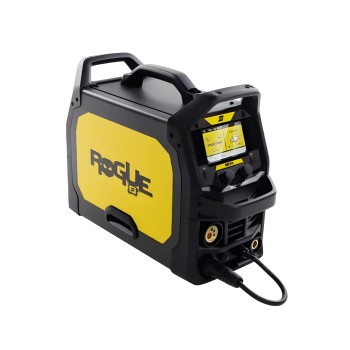
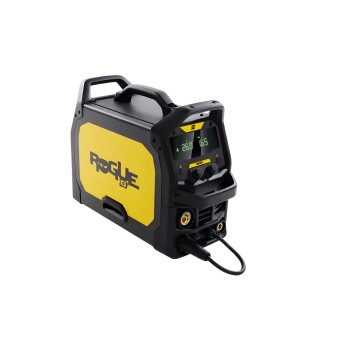
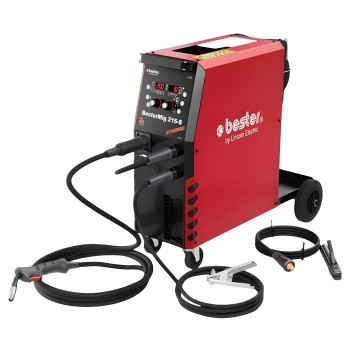
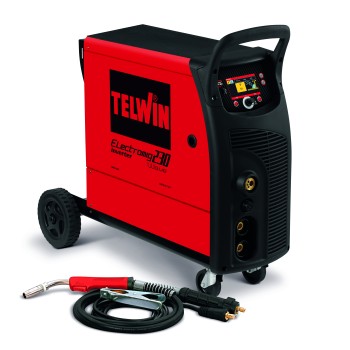
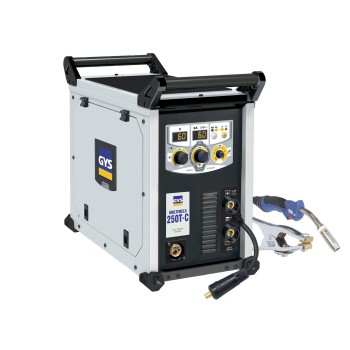
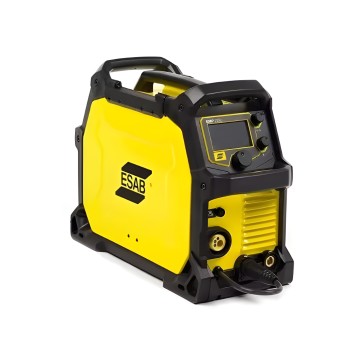
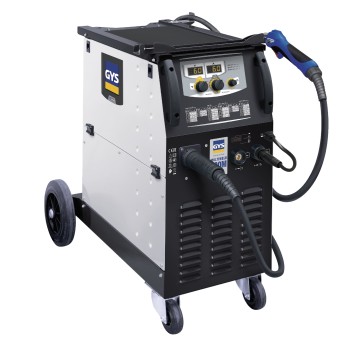
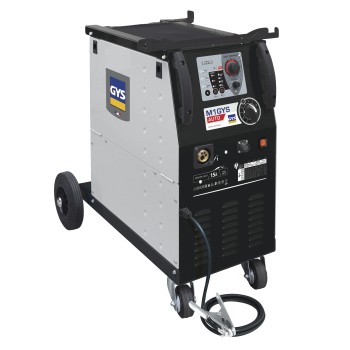
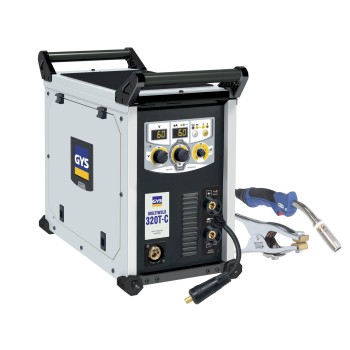
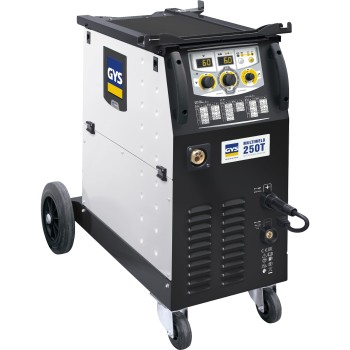
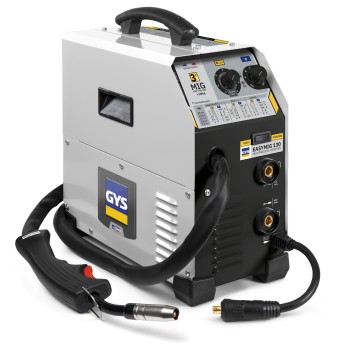
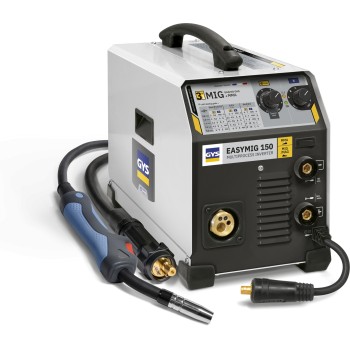
Welding is a profitable craft activity that brings together all the qualities needed to be a trade of the future. Whatever the welding technique used — electric arc, electrode or otherwise — the pursuit of perfection is not unconditional. It requires the possession of adequate equipment. Addressing the question of work equipment, the welding machine is at the very least a tool as necessary as it is indispensable. Discover this overview of the professional multi-process welding machine to make your decision.
Description of the professional multi-process welding machine
Also referred to as the professional welding machine, it is a transformer that modifies the input current into a welding electrical current. Such a design of the device suggests that its presence is par excellence an ultimate condition that authorises any welding activity. The professional multi-process welding machine is especially the adequate equipment for quality work.
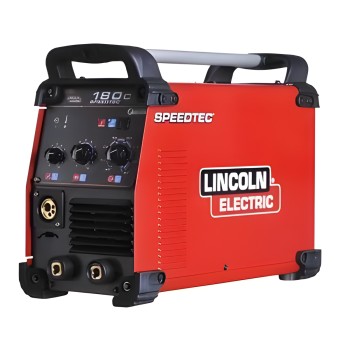
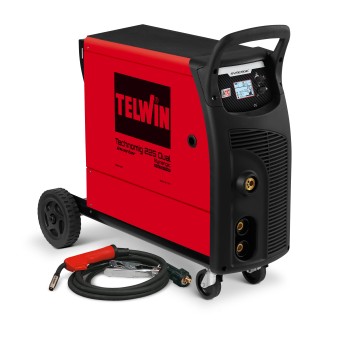
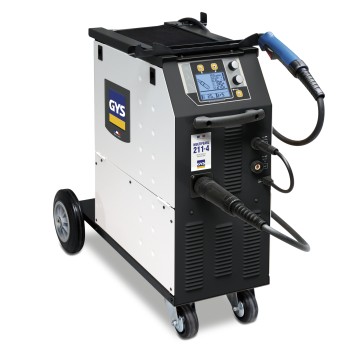
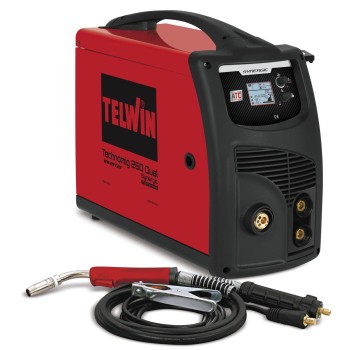
As its name indicates, it can be used for several types of welding such as TIG, MMA and MIG welding. In short, it is an electric arc welding device. That is to say a generator or a current regulator that allows the fusion of two metals. It is generally composed of:
- A cable reel support handle;
- A power-on indicator light;
- An on/off switch;
- A thermal protection indicator;
- A welding intensity adjustment;
- A mains power supply;
- A cable and a ground clamp;
- A cable and an electrode holder clamp;
- Ventilation slots;
- A lacquered sheet metal body.
A single professional multi-process machine can enable several types of welding. It comes in different models and each model seems to admit a particular operating procedure and singular characteristics.
What are the different types of professional multi-process welding machines?
The welding machine, whether multifunction in nature or not, is indispensable for any welding operation. However, its use, although straightforward, requires the operator to exercise vigilance and a keen sense of handling. As multi-process welding machines, there are:
The semi-automatic multi-process MIG-MAG machine
This professional welding assistance tool allows, depending on the activated mode, switching from MIG to MAG welding or from TIG mode to MMA mode. This type of machine is much more widely adopted by professional welders, especially for large-scale work. It also enables the effective welding of materials of various natures, such as steel, stainless steel, cast iron, copper, titanium, etc. With an installation power estimated at 6 kW, it is capable of meeting service demands, however abundant, without the risk of overvoltage.
Moreover, the use of this multi-process welding machine requires the presence of a few accessories. These include electrodes from 1 to 4 mm, MIG and TIG gas cylinders, a welding apron, rods and other secondary accessories.
The MMA Inverter welding machine
Specially designed for newcomers to the world of welding, the MMA Inverter is more or less lightweight with a nonetheless significant capacity. It is truly the emblem of simplicity at the service of efficiency. It actually delivers the current necessary to the electrode holder, to which an electrode or a rod is connected in order to generate heat through a short circuit, thus melting the filler metal.
These power requirements are determined solely by the thickness of the piece to be welded. There are different models available for both individuals and professionals, all equally performing. This technology guarantees comfortable use and an economic advantage. It is strongly recommended to seek the experience of a professional in order to more easily grasp the nebulous aspects related to the use of this marvel of technology.
The TIG welding machine
Regarding the TIG welding machine, it is essential to remember that it comes specifically with an electrode and inert gas. Of course, it requires a considerable source of electrical energy, the purpose of which is to create a sufficiently high temperature to facilitate the welding of materials (steel, stainless steel, aluminium).
Through this multi-process welding machine, the professional is able to make their work less time-consuming without compromising the quality and precision of their weld. This is partly related to its operating system. Indeed, this device operates on an electric arc welding system as mentioned above, which employs a neutral gas diffused by a ceramic torch containing a non-fusible refractory electrode.
Generally mixed, this machine is economical on two major counts. First, there is the gas economy regulated by the potentiometers and second, the economy of needles. Its use requires a minimum of dexterity and a maximum level of concentration.
What are the advantages of the professional multi-process welding machine?
For welding professionals, the advantages of the professional multi-process welding machine are multiple and varied. First, it ensures the welder continuity of their activity with an almost enviable ease. Then, it promotes impeccable welding work, across all materials. It indeed gives the work undeniable aesthetic appeal and at the same time enhances your image in the industry. That is to say, you gain in esteem and become more sought-after.
It is a device that places you at the cutting edge of technology, while improving working conditions. Depending on the type of machine chosen, several advantages arise. The semi-automatic MIG-MAG ensures speed and the ability to weld thin sheets. It is more recommended for professionals in locksmithing, metalwork, workshops, construction sites and bodywork. Since it results from the combination of MIG and MAG welding, it takes a complementary approach in order to offer a wider range of materials to weld.
The professional welding machine MMA Inverter, for example, is straightforward to use, both indoors and outdoors. It is recommended for beginners as well as welding professionals. It is economical, easy to handle with unwavering comfort. There is also the TIG welding machine. It is used for carrying out fine and qualitatively indisputable work.
How to choose the professional multi-process welding machine?
The choice of a professional work tool must not be made blindly. In the field of welding, the characteristics of the equipment used contribute greatly to the final result and the time devoted to its execution. Thus, certain criteria allow choosing the best suited multi-process welding machine. Beyond the general and at the same time subjective parameters, some more specific criteria could enable a suitable choice of welding machine.
Power supply
Many welding devices use an electrical energy source for proper operation. However, this electrical charge does not remain in its original state for use in welding. This is precisely where the welding machine comes in, whose role is to transform this input current into a welding current. At this point, you need to know that there are two sectors. The efficiency of the machine therefore depends on the intensity of the current supplying it. There are:
- Single-phase 230V current, below 200 A;
- Three-phase 380V current, above 200 A.
The duty cycle of the machine
The proper functioning of a welding machine is partly the result of its power output. However, it is important to ensure the current intensity is regulated according to the capacity of the machine used and the time. Thus, for 100% use, care must be taken not to exceed the time limit of 10 min at a temperature of 40 °C. The duty cycle must be part of the criteria for purchasing a machine.
Insulation and cooling of the machine
This third criterion takes into account the ventilation system of the machine. For uninterrupted welding needs, abundant and significant ventilation is required. Therefore, the characteristics of the ventilation system must be integrated into the selection criteria of a professional welding machine. It helps to avoid potential overheating. Machines are equipped either with permanently running ventilation or a turbine fan to keep them at an optimal temperature. Depending on the needs and offer conditions, the user can make their choice.
Some possible options for the welding machine
To improve their quality, some welding machines are equipped with options. These include among others:
- Arc Force which allows the machine to gain in stability;
- Hot Start which facilitates arc striking;
- Anti-Stick which prevents the electrode from welding to the workpiece in the event of a short circuit;
- Pulsed mode which allows welding of filler metal on rather thin sheets without interruption.
These are therefore the criteria to refer to in order to make the choice of a professional welding machine more appropriate.


 Italy
Italy
 Germany
 Netherlands
 Croatia
 Denmark
 Finland
 Greece
 Ireland
 Portugal
 Norway
 Bulgaria
 Estonia
 Latvia
 Lithuania
 Poland
 Czech Republic
 Romania
 Slovakia
 Slovenia
 Hungary
 Spain
Spain



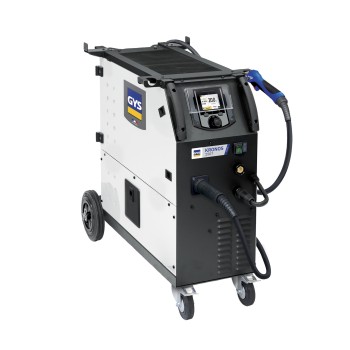
 2-year warranty